
20ft Containers
Commonly used for storage, tools, business inventory, job sites, farms and residential projects.


This guide from Blue Line Equipment Sales, Corp., DBA Blue Line Containers outlines common factors customers may consider before selecting a shipping container, including container size, condition, access style, intended use, Flat Rate Shipping $650 Nationwide, estimated delivery 5–7 business days after payment confirmation and available modification options.

Shipping containers are used for storage, transportation, commercial applications, site use, refrigerated storage and custom container projects. Reviewing product type, size, condition and delivery access can help customers make a more informed purchase decision.
Storage, business inventory, construction tools, refrigerated goods, offices and custom container projects may require different container sizes, conditions and features.
Common container sizes include 10ft, 20ft and 40ft units. Each product listing identifies the actual unit or exact configured product available for purchase.
Delivery planning may include checking site access, ground conditions, turning space, overhead clearance and the intended placement area before the container arrives.
Container types vary by size, height, access style, temperature-control features and modification options. What you see is what you are getting unless you request an alternative unit. Product specifications, condition, included features, stock availability and inspection information are shown on each listing.
Commonly used for storage, tools, business inventory, job sites, farms and residential projects.
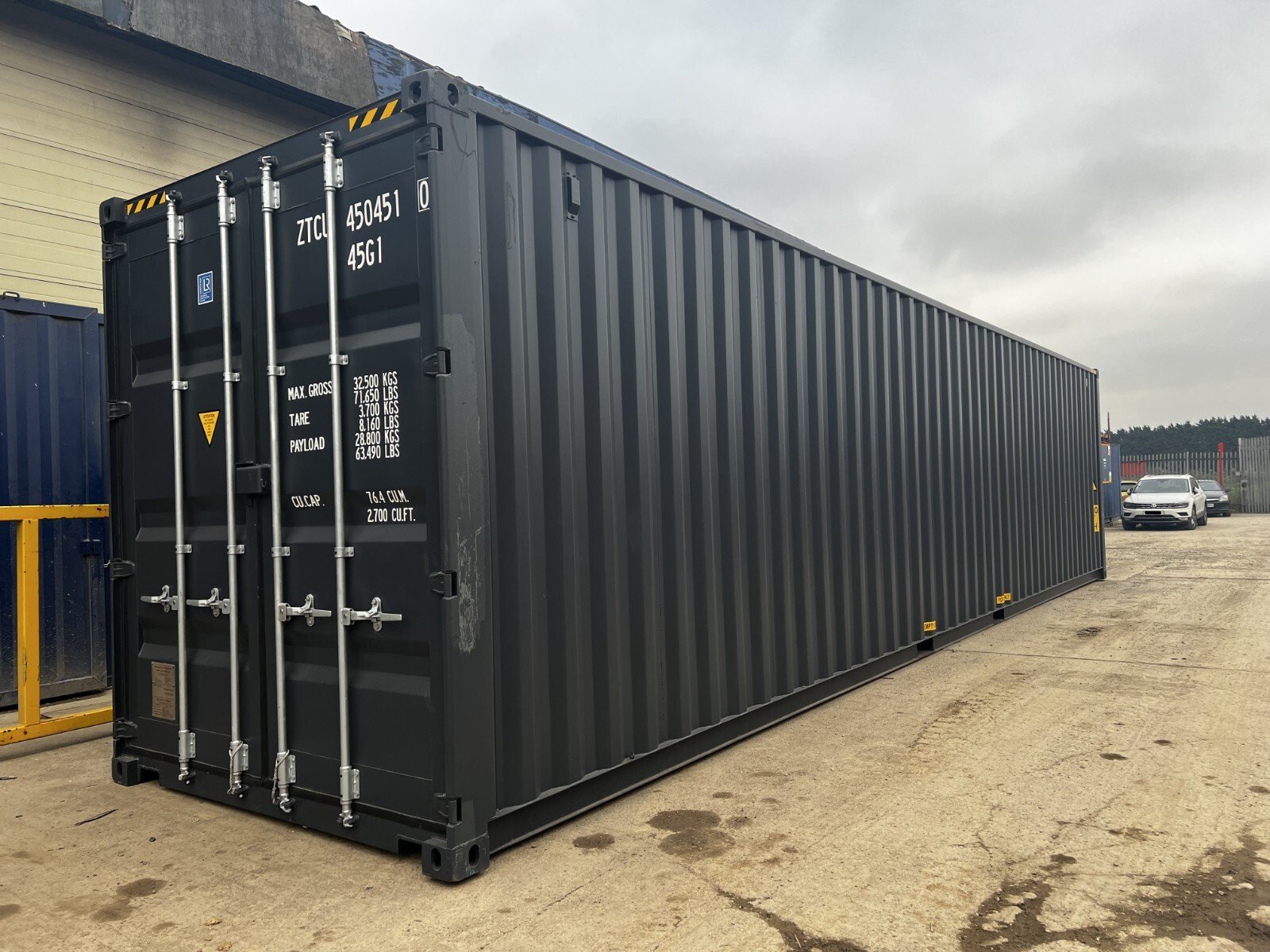
Commonly selected for larger storage requirements, commercial use, equipment storage and high-volume applications.

High cube containers provide additional internal height compared with standard-height containers, depending on model and availability.

Refrigerated containers are used for temperature-controlled storage where power access and operating requirements are available.
Before confirming a container purchase, customers should review condition, dimensions, access points, doors, seals, floor, roof, intended use and delivery site requirements.
New containers are often selected for appearance-sensitive projects, used containers are commonly selected for general storage, and modified containers are configured for specific layouts or functions.
Standard-height containers are used for many general applications, while high cube containers provide additional internal height where available.
Rear cargo doors, side-opening doors, roll-up doors and personnel doors may be available depending on container type and modification options.
A level, firm and well-drained surface may help support container placement, door operation and ongoing site use.
Customers storing moisture-sensitive items may consider vents, insulation or moisture-control options depending on climate, contents and intended use.
Lockable doors, lock boxes and controlled access options may be available depending on the container type and selected configuration.
Shipping containers may be used for storage, offices, cabins, pools and other custom configurations. Specifications, availability and project requirements should be reviewed before purchase.

Container-based spaces may be configured for offices, site facilities, studios, cabins and other custom applications.

Container pools are available in selected configurations for residential, commercial or recreational outdoor projects.

Used containers may show normal cosmetic wear such as dents, scratches, fading, repairs or surface rust based on condition grade.
Contact Blue Line Equipment Sales, Corp., DBA Blue Line Containers for assistance with selecting the right container or confirming any product details before purchase.